
It’s certainly understandable if you mistake this for a bird with a broken wing. This superb acting has been fooling would-be predators for millennia, and humans are no exception. But there’s no need to rush to call a wildlife rehabilitator. Chances are, this bird is actually just fine. This is a mother killdeer. Killdeers liveContinue reading “To Fake a Broken Wing”
Author Archives: ForFoxSake
Sick. Not “Friendly.”

Pretty much everyone wishes they could befriend a wild animal. It’s not at all uncommon for people to be excited when a wild fox or raccoon seems to randomly approach them without fear. It’s human nature to project that the animal is seeking comfort or companionship, and to fantasize about being able to provide exactlyContinue reading “Sick. Not “Friendly.””
Protect Wildlife:End Light Pollution
Here are some simple things you can do to reduce light pollution: -Turn off your outdoor lights when not needed for safety. -Replace your private street lamps and flood lights with motion-activated lighting. -Use low-glare lighting fixtures for outdoor light. One company that offers star-friendly outdoor lighting is Starry Night Lights. -Write to companies inContinue reading “Protect Wildlife:End Light Pollution”
I found a baby skunk! What now?

You look out your window and see a litter of skunk kits running around with no parent to be seen. What’s next? Kits without their mother aren’t necessarily orphaned or injured. However, unlike some animals, skunks are typically attentive parents who don’t leave their babies unattended for very long. If you wait about three hoursContinue reading “I found a baby skunk! What now?”
How Do Cactus Bucks Happen?
Deer like this are a rare sight, but have been spotted almost everywhere in the United States, and in almost every species of deer. These cactus bucks, as they’re called stand out because of their bizarre, deformed antlers covered in irregular growths. A cactus buck’s irregular antlers develop due to low testosterone levels, which causeContinue reading “How Do Cactus Bucks Happen?”
Don’t Kidnap Fox Kits!
Red fox parents work around the clock to find food for themselves and their kits. Because of this, a litter of fox kits might be left alone for several hours at a time while their parents are away. If you find a baby fox, or a whole litter of them, the best way to helpContinue reading “Don’t Kidnap Fox Kits!”
Tennessee’s Box Turtles in Danger

It’s important to recognize the plight of wild animals right here in the Southeastern U.S. This handsome fellow is an Eastern box turtle, which has experienced a sharp population decline over the last few decades. Without intervention and protection, this once-common backyard guest could vanish forever. The good news is that everyday people like youContinue reading “Tennessee’s Box Turtles in Danger”
How Bats Prevent Disease
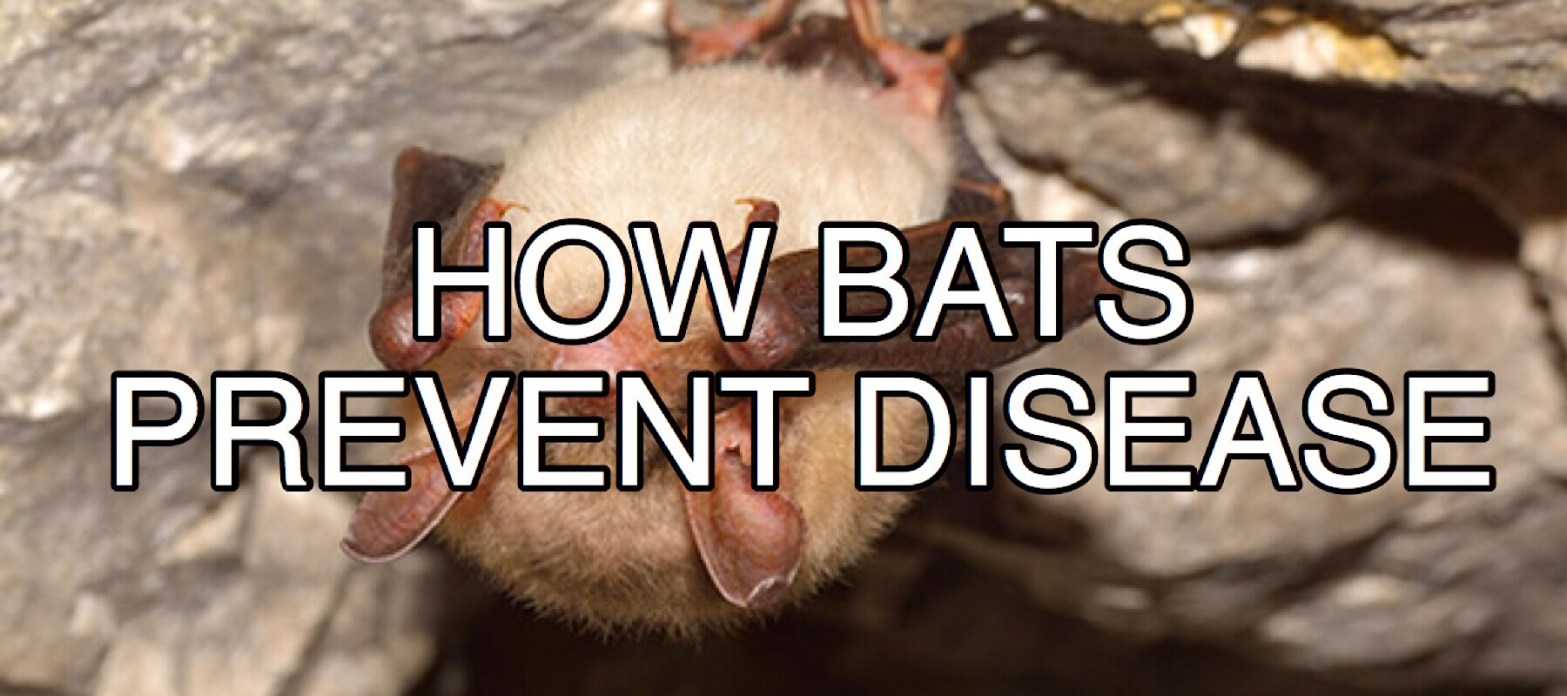
Did you know that a single little brown bat can eat up to 1,000 mosquitoes in one hour? Worldwide, mosquitoes are responsible for more illnesses and deaths in humans than all other animals put together. When mosquito populations rage out of control, so do rates of diseases like malaria, West Nile Virus, dengue, and zika—Continue reading “How Bats Prevent Disease”
Red Raccoons?
This raccoon’s beautiful coat is caused by erythrism, a genetic condition that causes reddish pigmentation of the fur and skin. Erythrism in raccoons usually runs in families. It isn’t harmful and, other than making them more likely targets for fur trappers, erythrism doesn’t affect a raccoon’s life expectancy.
Capture Myopathy: The Risks of Picking Up Wildlife
Wild animals— particularly rabbits, fawns, and birds— are prone to a condition called capture myopathy. This is a complex disorder that results from the stress of being chased, captured, or even simply held by a human being. Although there are usually no signs of disease or injury, these animals simply die. Please: never capture orContinue reading “Capture Myopathy: The Risks of Picking Up Wildlife”
 For Fox Sake Wildlife Rescue