Does Feeding Birds Prevent Migration?

Some people start bringing their bird feeders inside in the fall, fearing that their backyard visitors won’t migrate if they’re fed by humans. It’s actually beneficial to have bird feeders year-round! Studies have found that birds fed by humans have much higher survival rates and more successful broods. We owe it to birds to give them a helping hand since we’ve destroyed much of their habitat and natural food sources— and unlike with mammals and waterfowl, there aren’t any serious drawbacks associated with feeding songbirds.

A bird’s migration is influenced by the shortening of days and the pattern of the stars. When it’s time to leave, migratory birds develop an irresistible urge to migrate and will be on their way, whether there is food available or not.

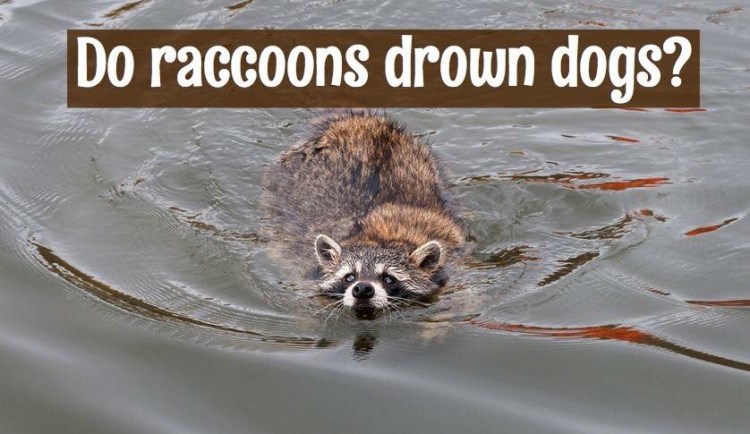
Do Raccoons Drown Dogs?

I received this question a few days ago from someone who was concerned about reports she’d heard of raccoons climbing onto swimming dogs’ heads with the intention of drowning them.

In short, the answer to this question is no. A raccoon does not have a motivation to chase a large predator into water and climb on its head. They’re capable swimmers on their own, and most raccoons have a natural instinct to avoid dogs. However, I talked to a couple of game wardens to find out where this myth may have come from.

When a raccoon is cornered or frightened, such as when it is being hunted by a pack of coon dogs or chased by an improperly contained pet, it naturally flees to either trees or water, because these are places a raccoon can usually out-maneuver a predator. If the dog keeps chasing the raccoon and catches up to it in the water, the raccoon will try to survive by climbing on whatever part of the dog is most accessible, so it can fight back. This is not an act of aggression, but of self defense. I could find no cases of a dog actually drowning from these altercations.

It’s easy to see how a frightened pet owner might interpret a raccoon’s defensive instincts as an attempt to lure and drown their pet, but there is no malice in an animal’s attempts to flee from danger or to defend itself from a large predator.

It’s always important to keep your pets properly contained and separated from wildlife. Raccoons and dogs do sometimes end up in ugly altercations, particularly when the raccoon has been raised around dogs, when a dog is fed outdoors, or when dogs are willingly used to hunt raccoons for their fur. But most of the time, a dog is a much bigger risk to a raccoon than the other way around. A raccoon will not make an unprovoked effort to drown your dog.

Chili Pepper Pest Control

Most animal lovers are happy to see bunnies, squirrels, chipmunks, and groundhogs, but every now and then, friendly backyard wildlife will make themselves comfortable to the point of destroying a lawn or even damaging the house itself. Extermination can be unnecessarily cruel, and catch-and-release can spread disease or leave babies motherless. So what can you do?

One way to deter backyard pests is to leave numerous very hot peppers throughout your property for a few days or weeks. The animals will nibble the peppers and quickly figure out that your yard is full of food that hurts, and not a place to raise a family. They’ll usually disperse and find somewhere else to live.

Can I Kill a Snake on My Property in Tennessee?

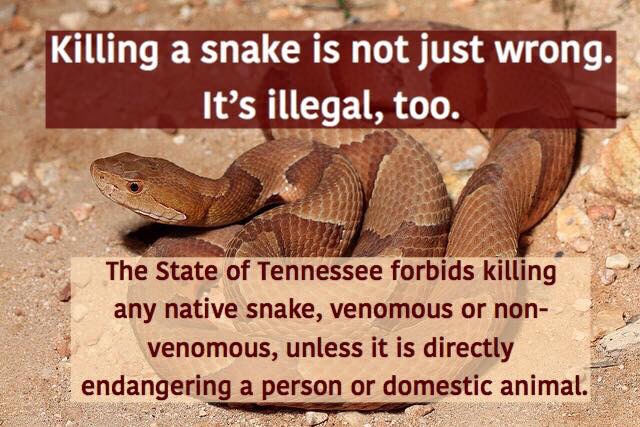
Snakes— even the scary ones— are vital to the health of our ecosystem, and even to human beings. Fleas and ticks carried by rats are frequent carriers for human diseases such as Lyme disease and even plague. An ecosystem full of snakes has fewer rats, meaning fewer ticks, meaning fewer human infections. Snakes are also a vital food source for raptors and foxes. If you see a venomous snake on your property in Tennessee, you are permitted to kill it only if it is posing a real threat to your safety (such as if it was found in your child’s bedroom and can’t be safely removed alive). A snake outdoors in the wild should simply be left alone.

Eastern Spotted Skunks Declining

Many people wouldn’t even recognize this little fellow as a skunk. Over time, the population of the Eastern spotted skunk has declined so much that many people are unaware of their existence, and they have been eradicated through much of their native range. The spotted skunk’s population first took a dive when it was over-trapped and over-hunted its fur and due to fears of rabies. Today, over-trapping remains a concern, but its main threats are diseases originating in domestic dogs, as well as changes in habitat.

What’s a Phoby Cat?

You might occasionally still hear older people refer to an animal called a “phoby cat.” This is due to an outbreak of rabies— formerly called hydrophobia— among Western spotted skunks in the 1800s. Unfortunately, the spotted skunk’s reputation as a rabies carrier led to a massive trend in over-hunting and over-trapping, the effects of which are still seen today. Any skunk with neurological symptoms should be reported promptly to your local health department or animal control, but a healthy “phoby cat” should be left alone.

The spotted skunk is teetering on the edge of state-wide extinction, but For Fox Sake is one of the only wildlife rehabilitators licensed to rescue and release these increasingly rare creatures. If you would like to help save Tennessee’s few remaining “phoby cats,” please consider making a donation today.

Tennessee’s Endangered Indiana Bat

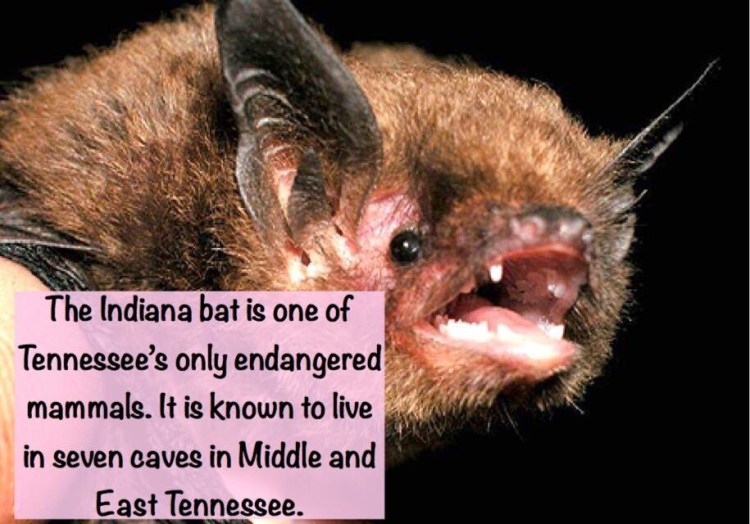
The Indiana bat, which lives here in Tennessee, has lost 50-95% of its population over the the last 70 years. The main cause of this crash was human disturbance of the largest caves where they were nesting. These critters are now federally protected, but still face serious threats because of white nose fungus (a deadly disease) and disturbances and killings by humans. If you’re into spelunking, please avoid exploring wild caves during the months in which bats are hibernating. While Tennessee law forbids the rehabilitation of bats, it’s still a good idea to contact TWRA if you see an Indiana bat that is injured, sick, or in need of help, since this can help track the animals and identify local threats. We can help work together to save our endangered wildlife! 🦇

Is a Red Wolf Just a Coywolf?

Many people have pushed to eliminate protections for red wolves— our native wolf, here in Tennessee— by positing that they are not actually an endangered species. These anti-wolf activists claim that there is no such animal as a red wolf, and that “red wolves” are simply a hybrid between coyotes and grey wolves.

This, simply put, isn’t accurate. DNA studies and fossil records prove that the red wolf was once a distinct species from the grey wolf or coyote, and it is recognized by legal and scientific organizations as a distinct species. There are very few full-blooded red wolves surviving today, and breeding with coyotes remains a major threat to the species. But our beautiful native red wolf is much more than just a coyote cross. It is a critically endangered species in desperate need of protection.

Why not let nature take its course?

This is a common and understandable question that wildlife rehabilitators receive. After all, death and disease are a very real, and important, part of the balance of the natural world.

For the most part, wildlife rehabilitators do not intervene when nature is running its course in a wilderness area. Although personal ethics vary by individual, most rehabbers intervene only when humans have played a role in an animal becoming injured or orphaned— like when a pet, lawnmower, gunshot, or vehicle is to blame. A wildlife rehabilitator will not typically save prey animals from their natural predators, for example.

But in some cases, it’s necessary for a rehabilitator to accept an animal even when its problems are natural. When rehabilitators refuse to accept an animal for intake based on principle, the person who found the animal will often choose to raise it themselves. This usually leads to a very long and painful death for the animal due to improper care, and can cause humans to be exposed to rabies and other very serious diseases. I will accept animals orphaned by natural causes in order to protect the animal from further harm by well-meaning people, and to protect the human finder from exposure to bites and disease.

Intervening is also often necessary as part of monitoring and controlling the spread of rabies. Much of my work— the unpleasant but necessary part— involves euthanizing sick animals and submitting their bodies to the USDA for rabies testing. This is a very important step in disease control and public safety, and also prevents sick animals from suffering horrifically painful deaths.

I do believe in allowing nature to take its course when reasonable. But I also believe that I have a duty to protect public safety and to prevent unnecessary suffering, and that is why I generally help whenever I am asked.