
I’ve gotten a lot of messages from people local to Chattanooga who would like to visit or help with the animals at For Fox Sake. I appreciate every offer for help, from the bottom of my heart. I run For Fox Sake as a one-man operation, and wish it was possible to have an extra hand. But here’s why that’s not possible:
Tennessee state law is strict— for good reason— about the handling of “rabies vector species,” animals that are statistically more likely to have rabies. I chose to specialize in rescuing rabies vectors because there are very few rehabbers in Tennessee who are able to help these beautiful, sensitive animals.
Rabies is uncommon and every animal at For Fox Sake is vaccinated for rabies immediately. However, as a precaution, the state of Tennessee forbids wild rabies vector species from being exhibited, used as education animals, or handled by unauthorized personnel. This regulation exists not just to protect humans, but also to protect animals from being unnecessarily euthanized and to protect rehabilitators from being sued if someone gets bitten.
The other reason I can’t exhibit wildlife or have volunteers is more personal: For Fox Sake isn’t a stand-alone business, but a facility built, literally, in my backyard. Although I have cameras and a security system, I don’t feel comfortable inviting strangers into my home, especially at night, when the animals I care for are most active (and most in need of care).
I appreciate every single person who supports For Fox Sake, and the dedication of people who have offered to volunteer, but unfortunately, the only way to see the animals in my care is through photos, and the only way to personally help them is through donations.
 I usually share photos of only a fraction of the animals I’m called to assist— the few that actually get brought into rehabilitation. The other animals I help are never “rescued” per se, but instead, mercifully euthanized because it’s the only way to assist them. This five-month-old male is one of the animals I’ve helped with canine distemper virus, a highly contagious infection that raccoons originally contracted from domestic dogs.
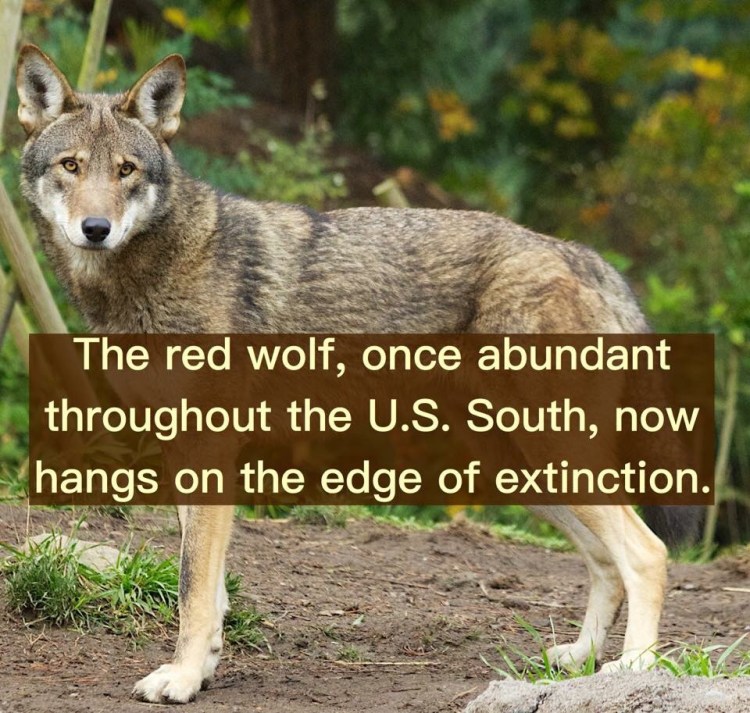 Few animals are as controversial as the red wolf. Conservationists have attempted several times to reintroduce these beautiful, majestic, ecologically important animals back into parts of their native range, but misconceptions and fear— as well as coyote interbreeding and disease— have stalled progress in their recovery.
 You might have noticed that most recent photos of animals at For Fox Sake are raccoons. But trash pandas are, by no means, the only kind of animal I assist!
 Equine protozoal myeloencephalitis, also known as EPM, is a dreaded fear for many horse owners— and understandably so. This condition is very serious and can be difficult and expensive to treat.
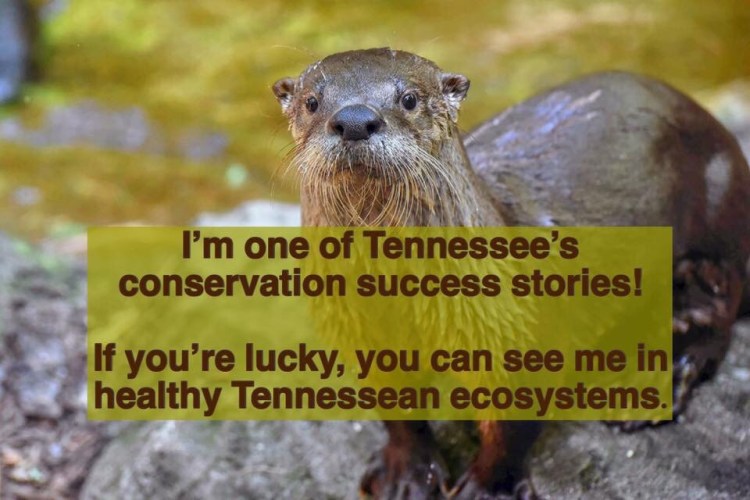 Most of my fellow Chattanoogans are familiar with these cuties, who are a popular attraction at the Tennessee Aquarium! The North American river otter is considered an indicator species, meaning that its presence (or absence) in an ecosystem is a major indicator of the health of the environment. As sensitive animals at the top of the food chain, they are often the first to succumb to habitat loss, pollution, and introduced diseases.
 For Fox Sake Wildlife Rescue